
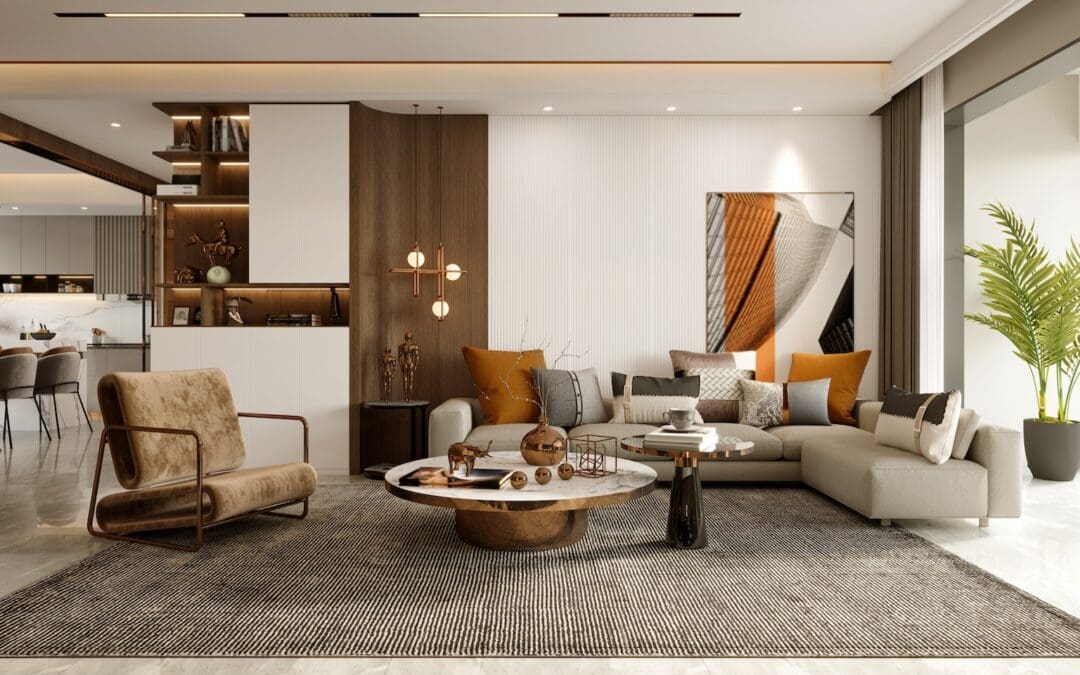
Homeowners often look for simple yet effective ways to improve their living spaces, and good interior design could make a dramatic difference without requiring a full renovation. The right approach blends comfort, function, and style so every room feels intentional and inviting. Whether you’re refreshing a single room or rethinking your entire home, understanding a few core principles of interior design helps you make smarter decisions about color, layout, lighting, and decor.
Interior Design Starts With a Clear Vision
Before moving furniture or choosing paint colors, define how each room should feel and function. A clear vision sets the foundation for all interior design decisions and prevents unnecessary changes down the road. Ask yourself how the room will be used daily and what feeling you want it to convey. Once that’s clear, every subsequent decision becomes easier and more intentional.
Understand Function and Choose the Right Color Palette
Every space has a purpose, and recognizing it is the first step in effective interior design. A living room built for relaxation calls for different furniture and layout choices than a home office designed for focus and productivity. Designing around how a room is actually used, rather than how it looks in a magazine, is what separates a beautiful space from a truly livable one.
Color is equally foundational. Soft neutrals create a calming, timeless atmosphere while bold tones add personality and energy. The key is choosing a cohesive palette that flows naturally from room to room. Test paint samples on the wall and observe them at different times of day before committing; lighting conditions dramatically affect how a color reads in a finished space.
Interior Design Tips for Furniture, Layout, and Lighting
Good interior design is not just about what you put in a room but how you arrange it. Furniture should support natural movement and conversation without making the space feel crowded. Leaving breathing room between pieces helps rooms feel larger and more comfortable, and ensuring clear traffic flow makes the space feel both functional and polished.
Lighting is one of the most underestimated elements of interior design. Natural light should be maximized wherever possible, keep windows clear, use light-colored curtains, and place mirrors to reflect daylight. Layer artificial lighting by combining ceiling fixtures, floor lamps, and accent lights to create depth and warmth that a single overhead source simply can’t achieve.
Add Personality and Keep It Timeless
Personal touches are what bring interior design to life and make a space feel genuinely yours. Artwork, textiles, plants, and decorative pieces should reflect your taste while complementing the overall style of the room. Layer details gradually and step back regularly to assess how the space feels as a whole. Finally, timeless interior design focuses on long-term comfort over short-term trends. Choosing durable materials, classic shapes, and flexible layouts ensures your home continues to look and feel great for years without constant updates.
A well-designed home comes from thoughtful, intentional choices made one step at a time. With a solid understanding of interior design principles, any homeowner can create spaces that are both beautiful and genuinely functional.
Anchor Home Inspections provides home inspections to Southwest Michigan. Contact us to request an appointment.