
Serious home issues rarely announce themselves dramatically. They tend to develop slowly, show up as small signs that are easy to rationalize away, and compound quietly until the cost of addressing them is significantly higher than it would have been at the first indication. The homeowners who catch serious home issues early are the ones who know what to look for and who treat the warning signs as worth investigating rather than worth ignoring. Most of the conditions that become expensive repairs start as something a homeowner noticed and filed away for later.
Structural Red Flags That Signal Serious Home Issues
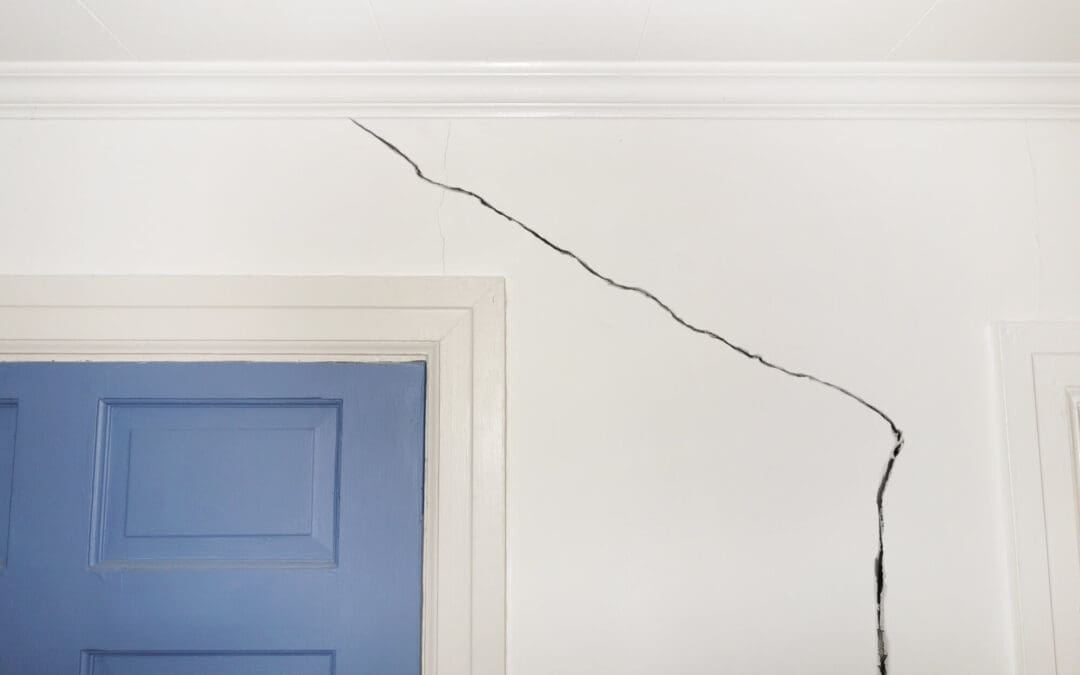
Cracks in walls and ceilings are some of the most common home features, and most are minor, hairline cracks in drywall as a home settles that are generally cosmetic. The cracks that indicate serious home issues are a different category: wide enough to insert a quarter into, running diagonally from door and window frame corners, stair-step cracking in brick or block, or actively widening over time. These patterns suggest movement in the structure or foundation and warrant professional assessment rather than patching and painting. Doors and windows that have become difficult to open or latch, particularly when the difficulty developed gradually, are another structural indicator worth taking seriously. When a door that once operated smoothly begins sticking at the top or bottom, or a window binds in its frame, the frame has moved. Movement not explained by seasonal wood expansion is a physical expression of foundation or structural movement, one of the serious issues that presents through everyday usability rather than visible damage.
Moisture Indicators That Point to Serious Home Issues
Water stains on ceilings, walls, or floors are the most visible indicator of moisture intrusion, but the stain is rarely the extent of the problem. By the time moisture has saturated material enough to produce a visible stain, it has typically been present long enough to affect materials behind and around the visible damage. A brown ring on a ceiling indicates a leak source somewhere above; the question worth asking is how long it’s been there. A persistent musty odor that doesn’t resolve with ventilation or cleaning is the moisture indicator that most often precedes a visible discovery of mold or water damage. The smell is produced by mold growing in concealed locations, inside wall cavities, under flooring, in the attic or crawl space, where it isn’t visible but is actively developing. Treating the smell with air fresheners rather than investigating its source allows serious home issues to continue developing unchecked.
Electrical and Mechanical Warning Signs Worth Acting On
Breakers that trip repeatedly on specific circuits, outlets that feel warm to the touch, flickering lights that aren’t explained by a loose bulb, and a burning smell without an identifiable source are all electrical warning signs that deserve professional attention rather than monitoring. These symptoms indicate conditions, overloaded circuits, loose connections, failing components, that are invisible at the surface and that can produce fire or shock hazards without further warning. An HVAC system that cycles on and off more frequently than it used to, struggles to maintain the set temperature, or produces unusual sounds is communicating that something has changed. These behavioral changes in mechanical systems are the early indicators of serious home issues with the equipment, before the system fails entirely and often when the underlying condition is still addressable at a fraction of the cost of full replacement.
Anchor Home Inspections provides home inspections to Southwest Michigan. Contact us to request an appointment.